Still deciding?
Tossing up whether you’re up for a South American backpacking trip? If you enjoy travelling, and don’t mind a little adventure, we can pretty much guarantee you are. Understandably, you may be worried about a lack of Español, transportation between countries, crime, and (if applicable) being a young white woman with titties. However, as you’ll read below in our Safety section, we urge you with our ENTIRE BEING not to let this stop you from travelling to one our favourite places in the world.
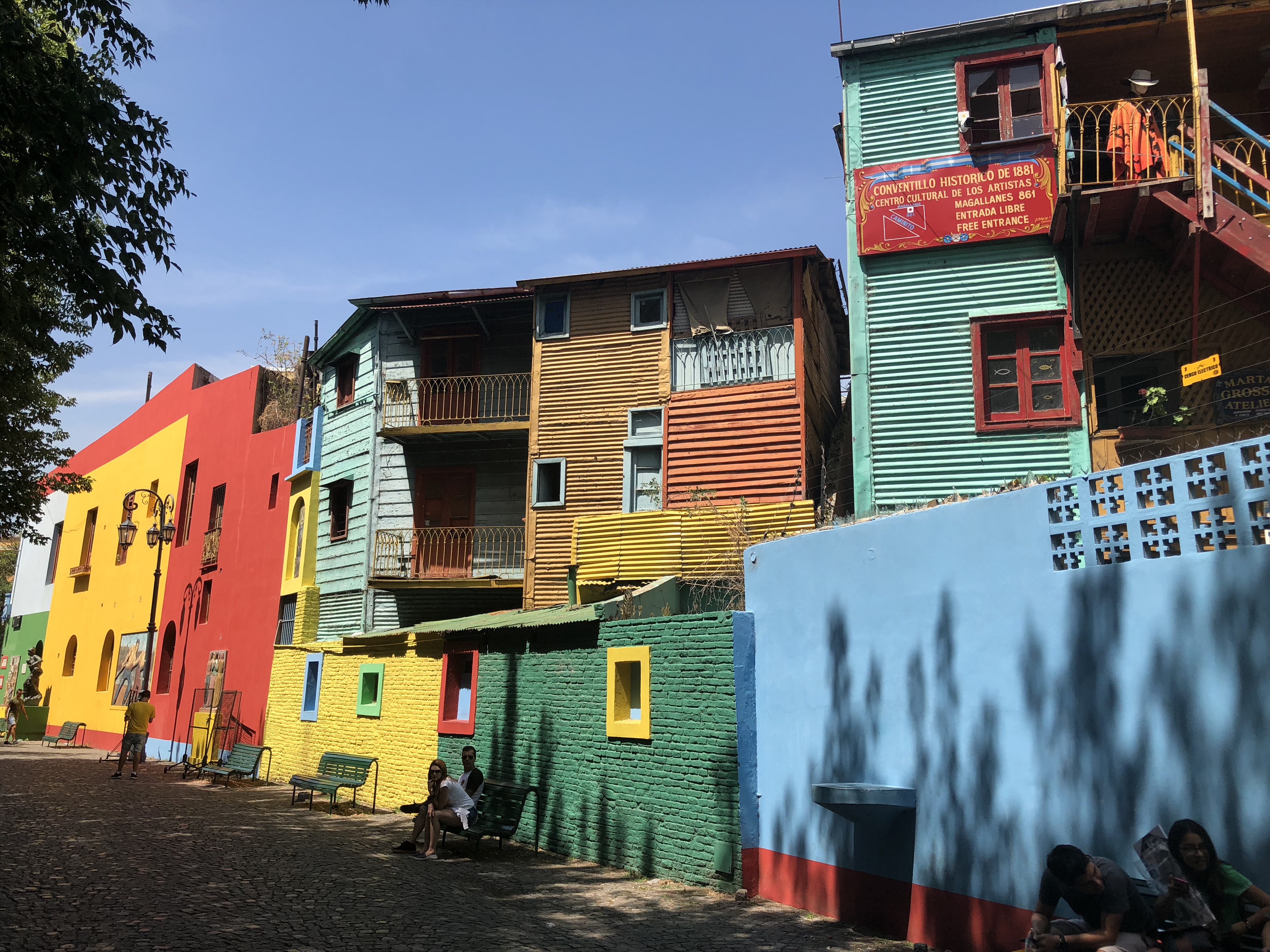
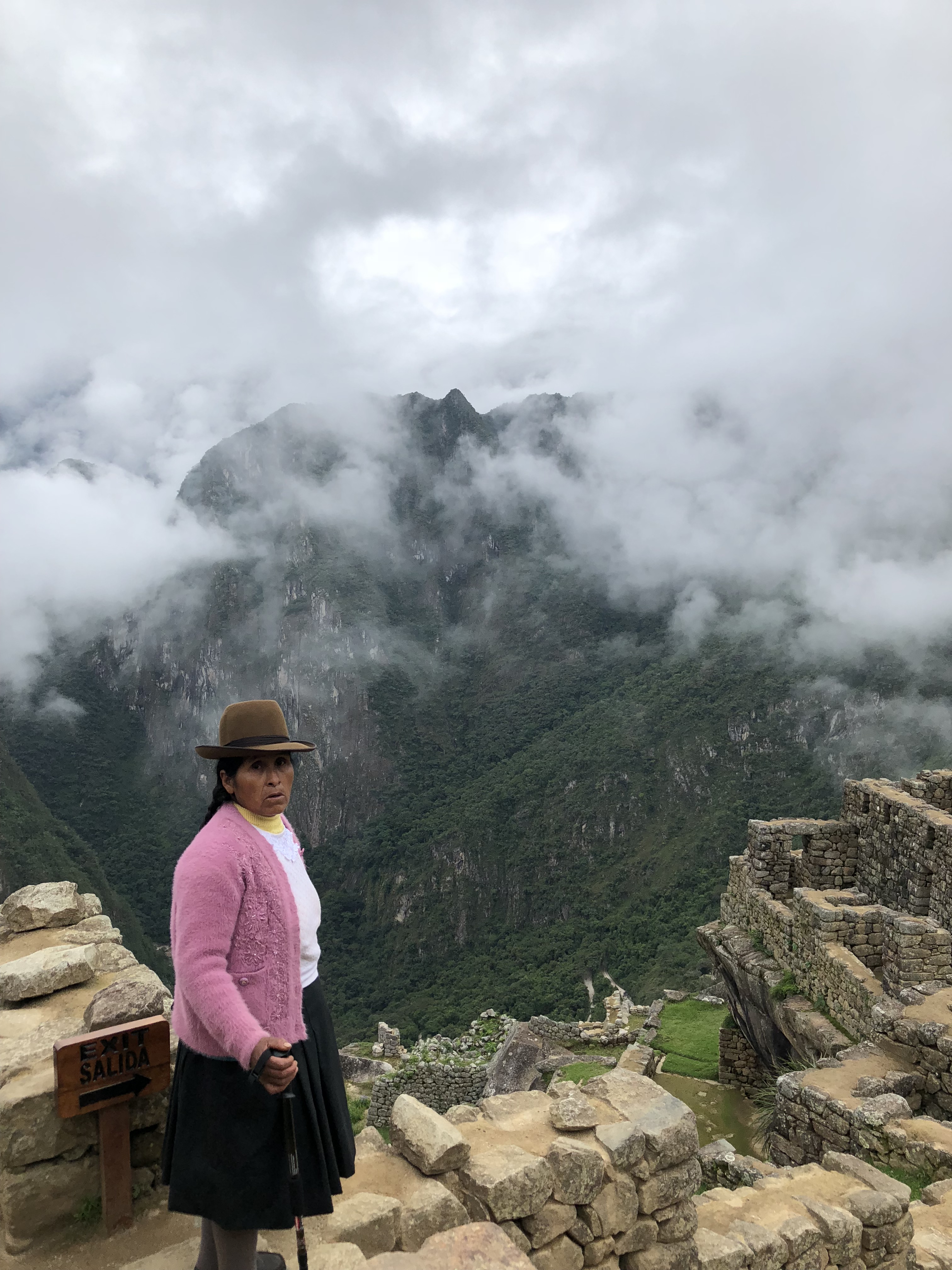
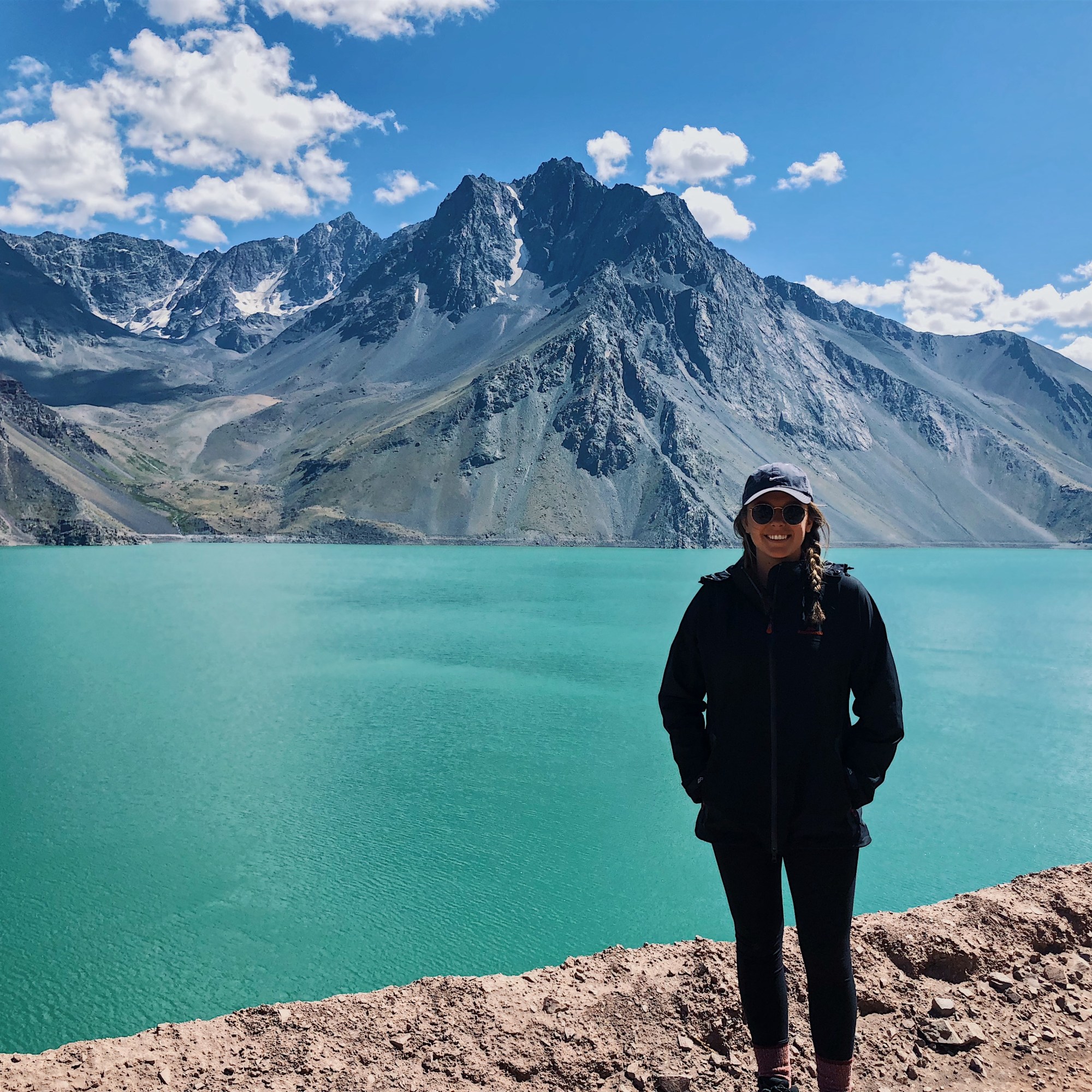
South America is hands down one of the most naturally beautiful places we’ve been lucky enough to travel to. It’s hard to find landscapes more breathtaking than those you’re surrounded by across this diverse continent. If you are an outdoor/adventure enthusiast then it’s time to start looking for flights – you won’t regret it!
Confession time: one of us loves adventure and travel, but gets nervous about crazy hikes and really challenging physical activity. I put this down to a lack of endorphins and hatred of running. You do not need to be a fearless hiking, running, fit superhuman to lap up the beauty and the fun of the outdoors here.
Truly, the hikes we did remain highlights of the less-active participant (Anna’s) life so far. So don’t be daunted!
By the same token, if the above description of a crazy person fits your personality, as it does to our other party member (Nicole), you will find yourself in hiking heaven.
Itineraries
Our top tip is to take it slow and have a loose itinerary. This continent is best explored in first gear. This is not only due to South American culture (don’t expect anything to run on time, ever), but also because of the sheer size of the continent. If you only have a short time frame (3-4 weeks) do not attempt to do the whole continent. Maybe just choose one country to really get under its skin, that way you won’t feel rushed, and you’ll have opportunity to make plans as you go.
Exhibit A: Rushed
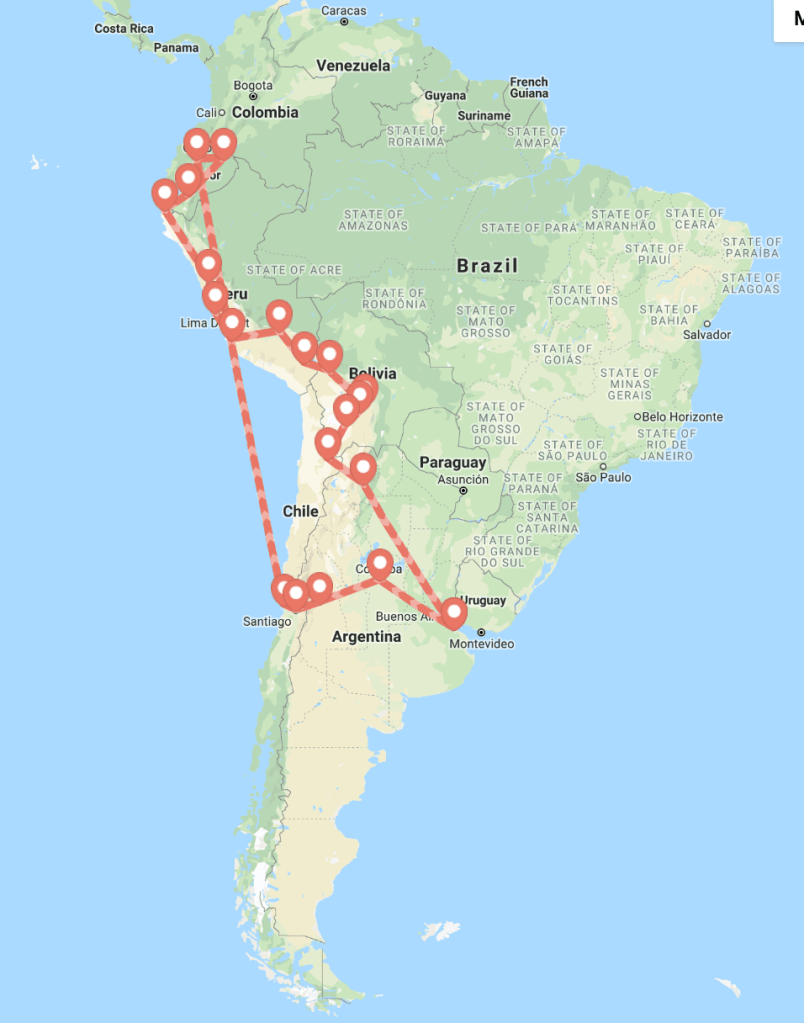
This was our travel route over nine weeks. Never ones to take our own advice, we may have been a little rushed – oops. We had a glorious time, and our fast pace helped us cover a lot of ground. But, we did miss the opportunity to have a really deep explore of lots of the places we went. So though it can be done quickly, we’re putting the emphasis on slow.
For a detailed guide on each country we visited, and suggested itineraries, see our guides to Argentina, Bolivia, Chile, Colombia, Ecuador and Peru.
Getting around
To survive in South America, you must ready yourself to become one with the bus. If you’ve got a travel companion forget ’em – buses are your new best friend!
Flying, if available, is expensive (in our experience, minimum $450 AUS for a one-way ticket between countries). Train options are limited. Enter the humble bus. South American buses are relatively cheap (note, the long haul buses cost us up to $100 AUS), comfortable and reliable. If you’re lucky you might meet some other travellers, get snacks, watch strange movies, or if you speak Spanish, have a yarn with one of the locals trying to sell you a questionable egg empanada.
Bus journeys can be LONG given the mountainous landscape and sheer size of the continent. Rides can be up to 9-12 hours long. From memory, our best was 16 hours. For these long hauls, we definitely recommend you to do them as an overnight trip. This saves money on a night’s accommodation, and makes sure you don’t waste your entire day on the bus. In saying that, some bus rides are particularly speccie (the border crossing from Argentina into Chile through the Andes), and if it’s a shorter ride it can be a great opportunity to take some time out, put your earphones in, listen to your favourite tunes and look out the window, taking it all in.
TRAVEL TIP: If you’re feeling like treating yourself to a bit of luxury, you can pay extra to upgrade your ticket to first class. Depending on the bus, this usually only costs an additional $5AUS. An upgrade from the economy-hole gets you XXL seats, blankets, privacy curtains and food.
The best bus websites we used while travelling were BusBud (North and South America) and RedBus (Colombia and Peru only). Buying tickets online via these websites saves you navigating the often-times overwhelming but EXCITING bus terminals and ticket booths. Just make sure you check whether tickets need to be printed rather than merely shown on your phone!
Also note for your bags on buses: we were a little taken aback on our first bus ride. We gingerly lined up for our spot on the bus, fully anticipating holding our bags between our legs with eagle-eyes for any thievery throughout the 9 hour ride. As we handed over our tickets, our bags were (slightly) aggressively taken from us, tagged according to our ticket number, and thrown in the storage compartment under the bus. Buses will not let you take large bags inside with you. We were a little anxious about the bags being taken without our watchful eye, but we needn’t have worried. The system works. There is far less mistrust in bag thievery here than the Euro-rail system in Europe. All across South and Central America, this is the way companies operate and it’s brilliant.
Take a breather, let it happen, and kick back.
Keeping safe
Worried about keeping safe? DON’T BE! This seems to come up a lot when talking about South American travel. Before leaving on our trip, we were swamped with misguided, uneducated warnings about how dangerous travel was, particularly as two young women with absolutely nada Spanish ability.
To be honest, it was really hard to not let this get into our heads, and we remember feeling a little nervous boarding the plane to leave Australia.
If you have common sense, are smart about what you do, you are going to be more than okay, we promise! South America felt no different to us, safety-wise, than our travel around Europe. Locals are generous and kind, and there is a real sense of comradery between travellers. Like anywhere in the world though, you do need to take care. Our general safety tips are:
- Be alert, not alarmed
- Be conscious of your surroundings
- Try not to carry huge day packs
- Use ATM machines inside banks
- Don’t flash your credit cash around
- Have good travel insurance
- Don’t walk around late at night
- Have emergency USD in your luggage ($200)
Accommodation
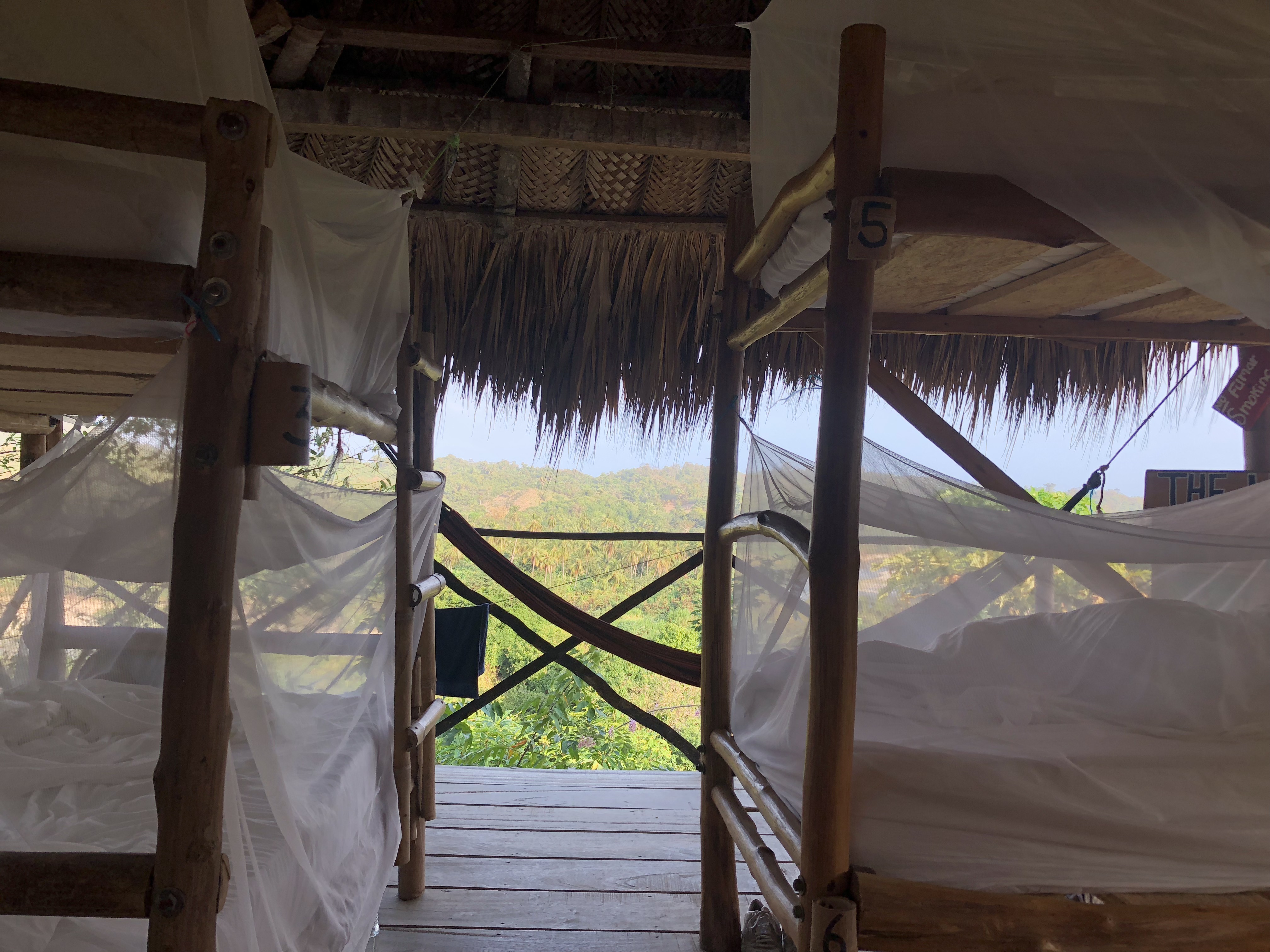
Hostels are our favourite. We found prices to range from roughly $7-15AUS per night in non-peak season, jumping to around $15-25AUS per night in peak season. Our usual approach is to search Hostel World for the best looking places to lay our heads. BUT, before booking, having a quick Google to see if booking directly with the hostel is possible – you can often get a discount by doing this!
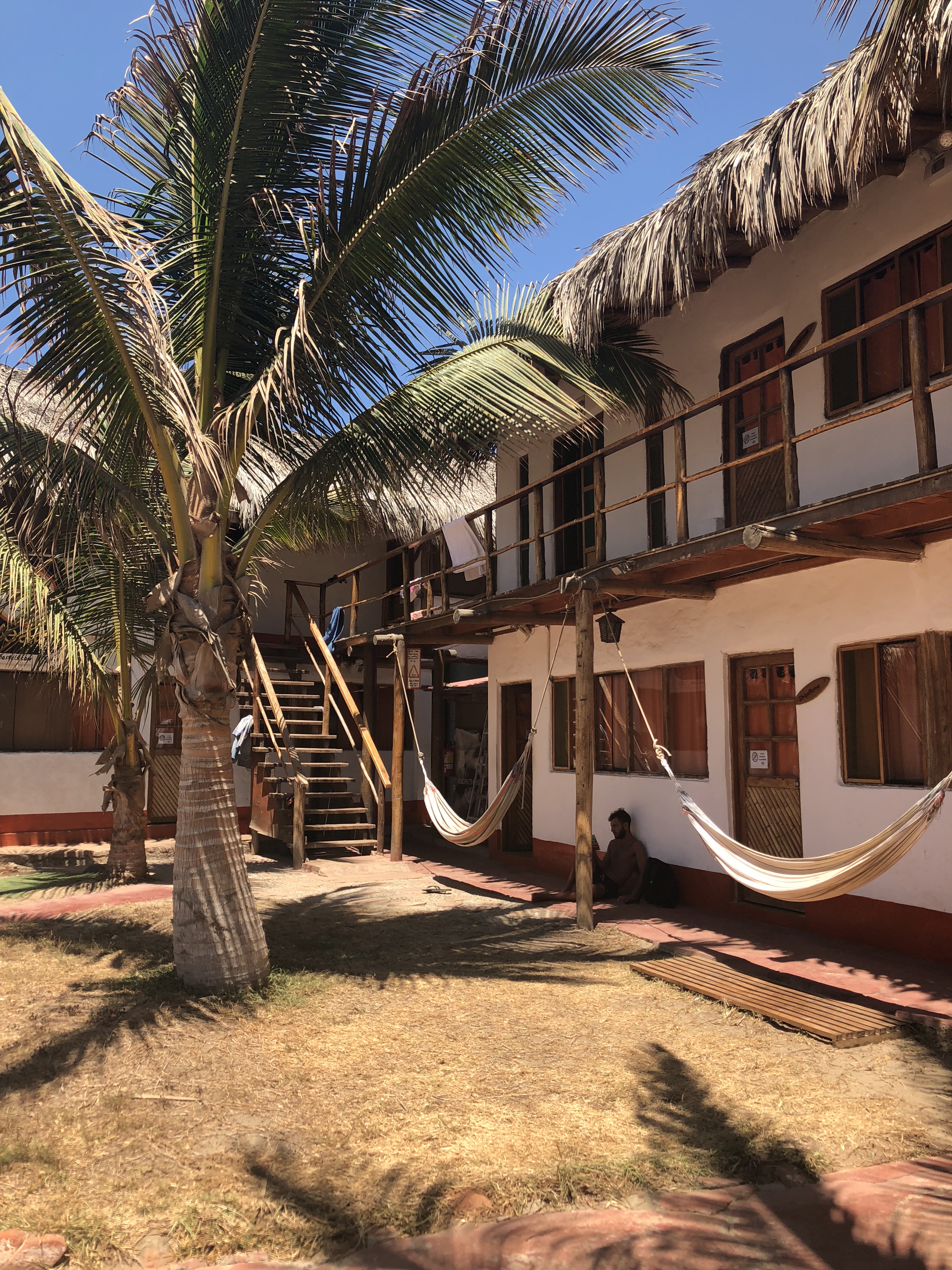
South America has incredibly high quality hostels, some of our favourites in the world. Our experience was (mostly) comfortable dorm beds, great social areas and general good vibes. Most hostels are also great for booking tours/day trips/hikes. There are a few chains available across the continent, including Wild Rover, Loki and Selena’s. Typically party hostels, gear up for drink specials and bar crawls.
Food FRENZY
We are OBSESSED with food. Probably the most anxious we get when travelling is not being able to fit enough meals into one day. Enter South America – food heaven.
Our absolute top food tip?
EMPANADAS
DULCE DE LECE
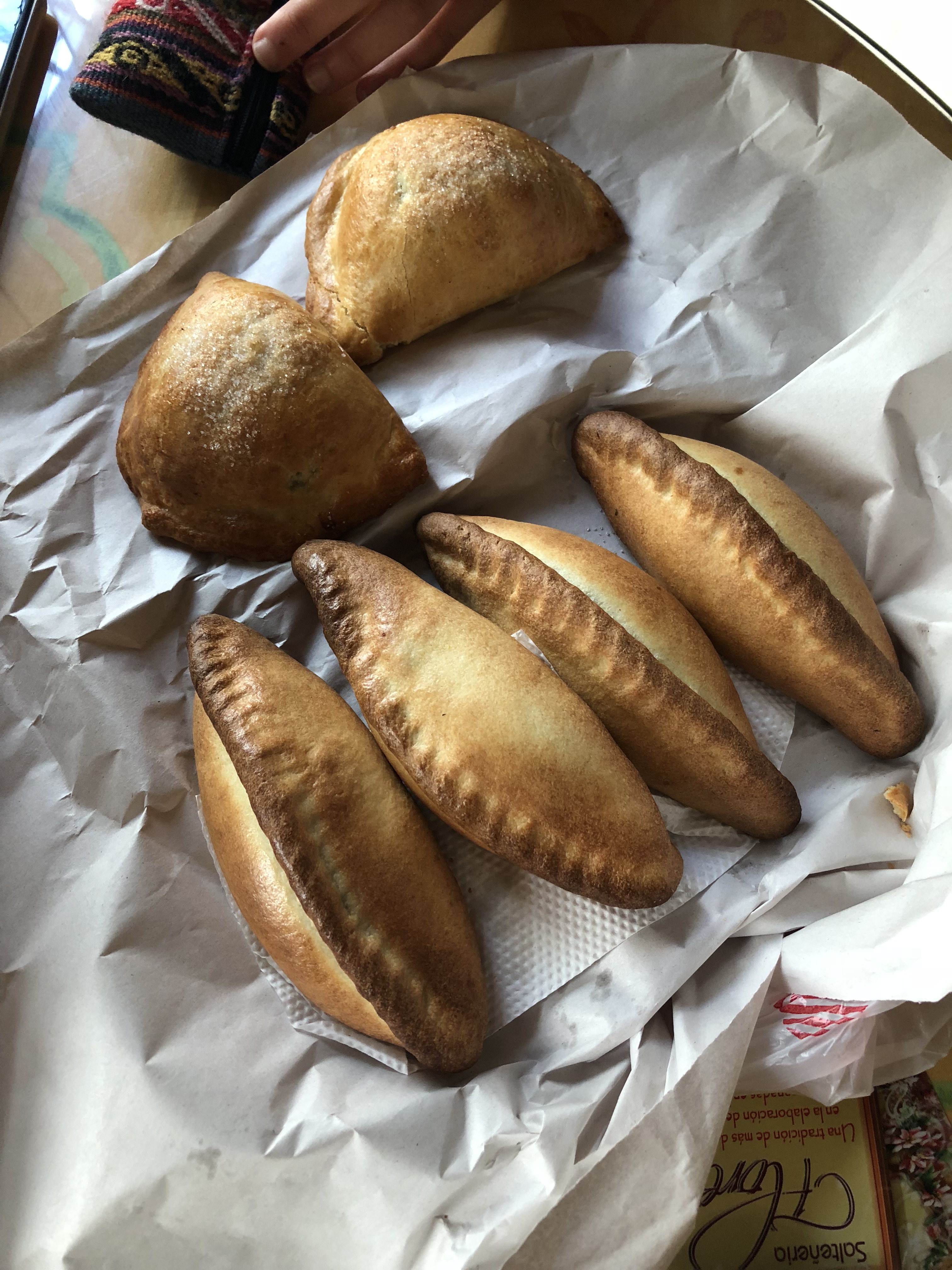
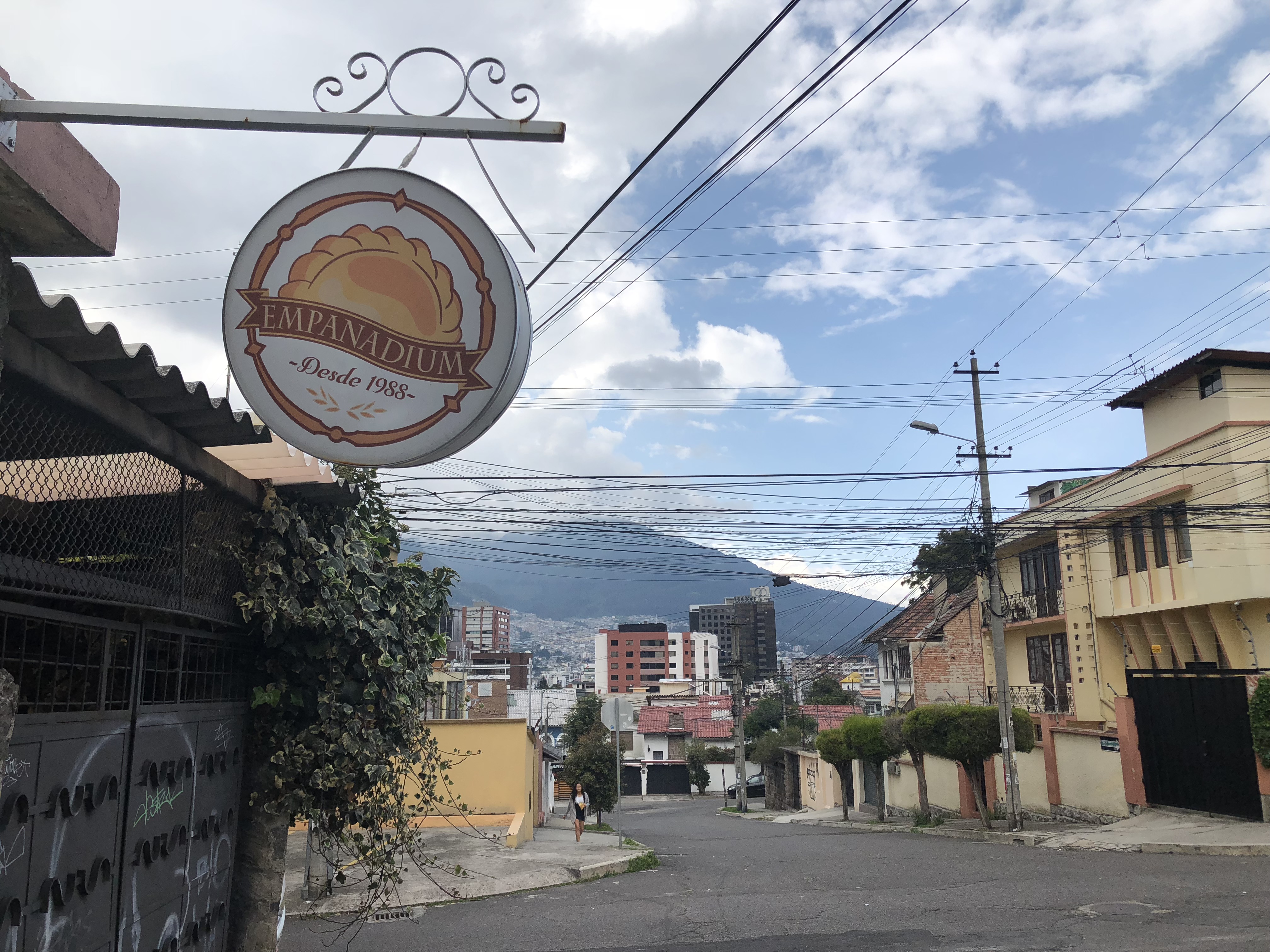
A good empanada tastes like a handmade delivery from God herself. Basically a pastry wrapped pocket of goodness, empanadas will form the bulk of your street eats. Depending on country, they can be baked or fried, and fillings usually have a meat, chicken, or vegetarian filling with traditional spiced sauces. In Bolivia, empanadas are called salteñas, and are eaten in a particular way to suck out all of the juice. We won’t offer any further explanation, so you can experience the same mess and entertainment for locals that we did.
For a fun game, you can keep tally of the number of emapandas you consume, but don’t expect to beat our score of 78 in 9 weeks.
Dulce de lece, translated to “sweet of milk” is akin to God’s breast milk. A caramel spread, this tastes good on EVERYTHING. It’s not uncommon to spot a backpacker on a bus with a tub of this stuff and a spoon. We don’t judge you friend – we just ate 78 empanadas.
If you’re not a meat eater – never fear. While a lot of the traditional meals are meat focused, #fitspo culture is gently weaving its way into most of the big cities in South America, and there are lots of vegan or vegetarian options (though they can feel a little “gringo”). The prices are significantly higher than the cost of a standard meat, rice and beans at local Central Markets, but we were happy to fork out (get it) for vegetables.
Any last words?
Book. Now.
For detailed country-by-country guides, check out our pages on Argentina, Bolivia, Chile, Colombia, Ecuador and Peru.
 girls gone global